POINÇON
Cultural reconversion of the Montrouge railway station – Paris 14th, A public place reinvented through light, memory and celebration
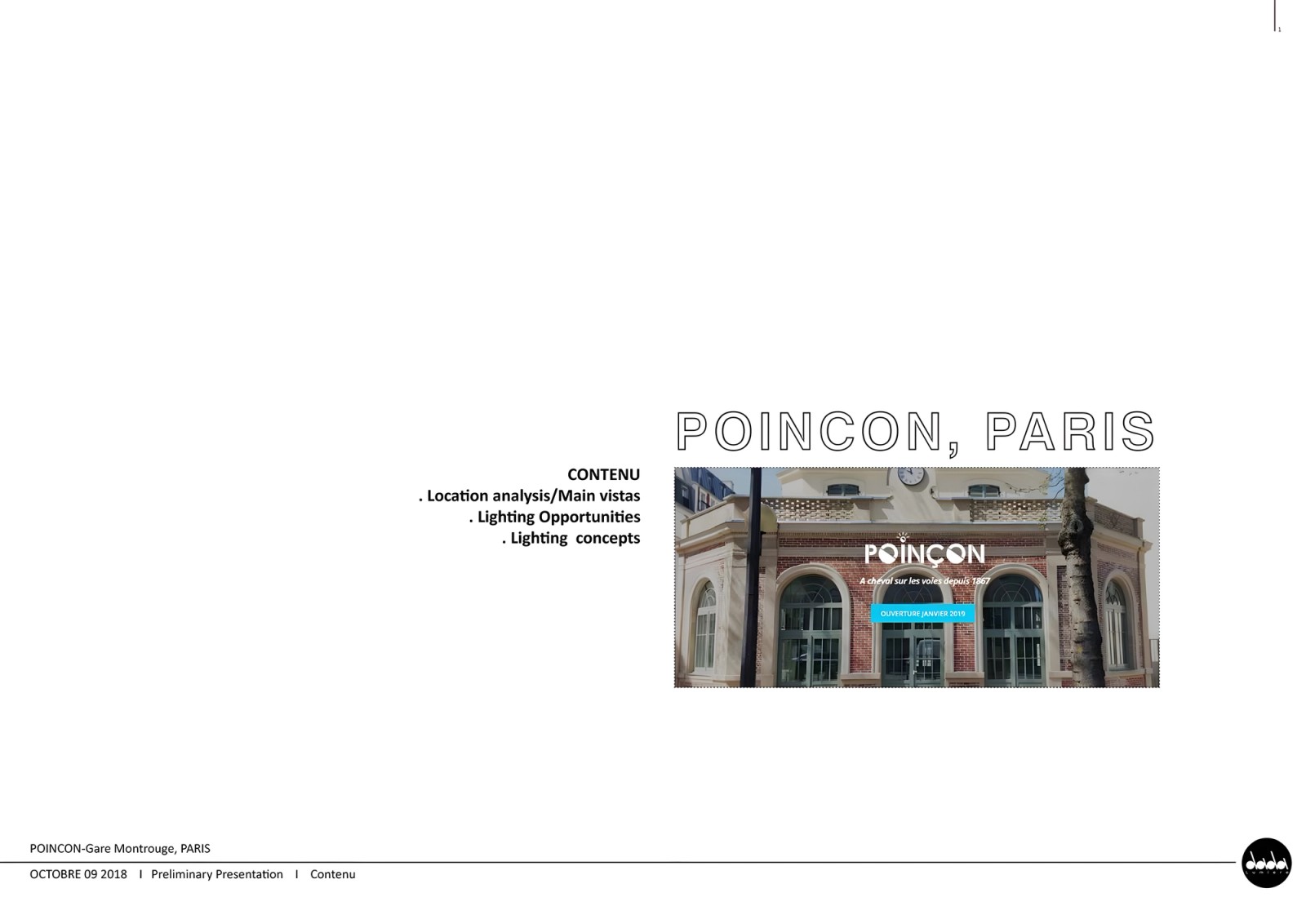
Poinçon is a project for the reconversion of the former Montrouge railway station, located along Paris’s Petite Ceinture, imagined as a cultural café open to all, combining food, exhibitions, debates and, on weekends, a more festive and dancing atmosphere.
Atelier dada’s proposal begins with a careful reading of the site and its visual perspectives. The building, modest in scale, is primarily perceived at close range from Avenue du Général Leclerc, while its upper volume engages with the city at a mid-distance. Particular attention is given to the angled façades, secondary views from Rue de Coulmiers, and the more intimate relationship with the Petite Ceinture, long perceived as a dark and overlooked corridor.
Lighting design becomes a tool of revelation. Revealing the existing architecture and its classical language, but also the history of the place, its role within the former railway network, and its potential to become a living territory once again. Light is conceived as an identity marker, making the place perceptible without excess, visible without fixation.
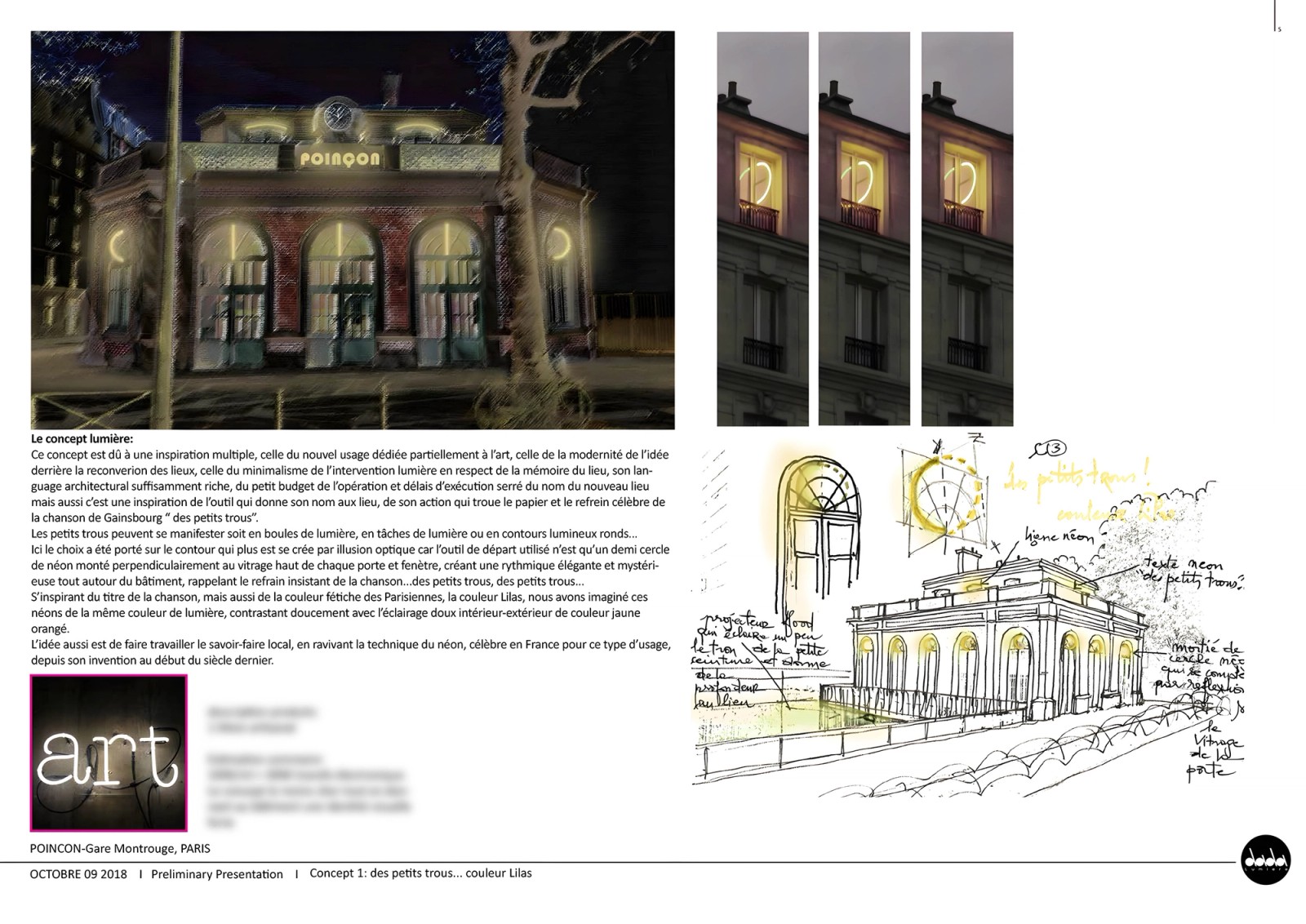
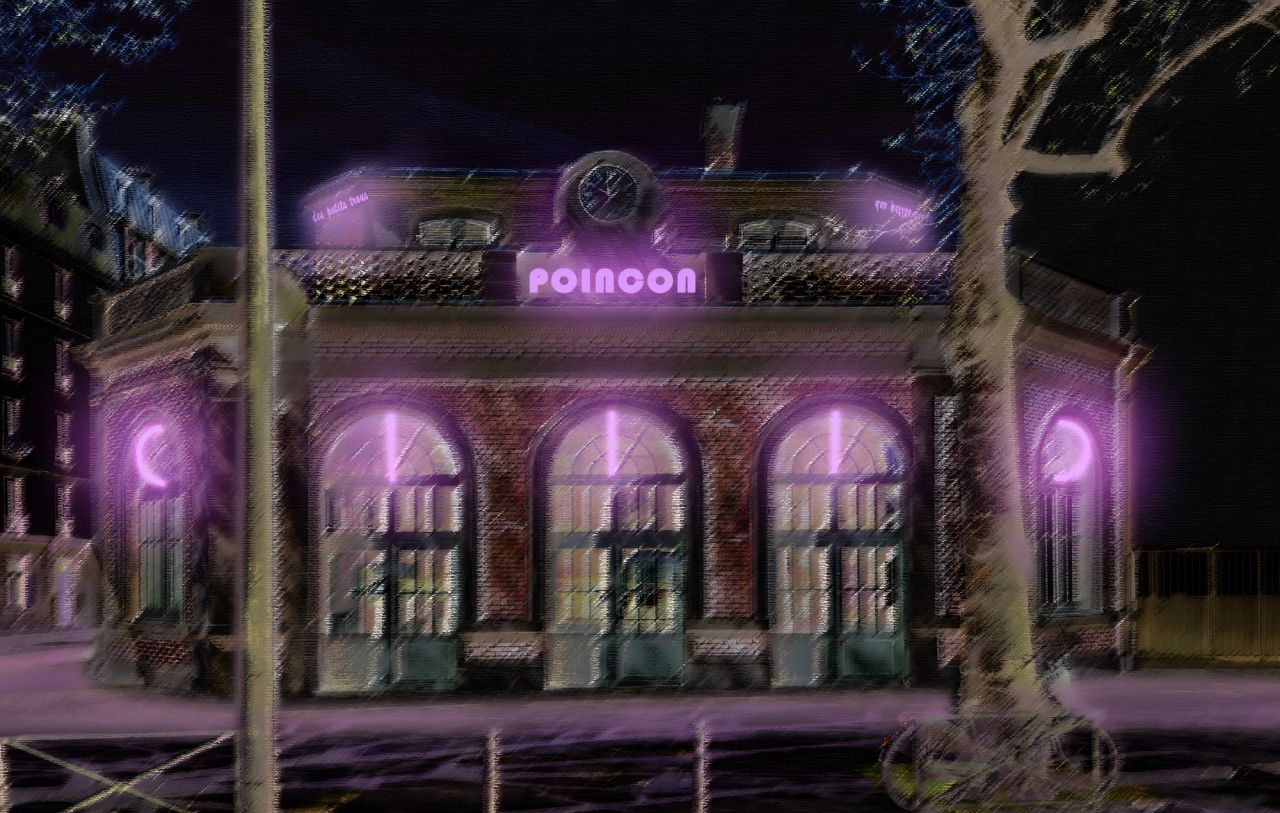
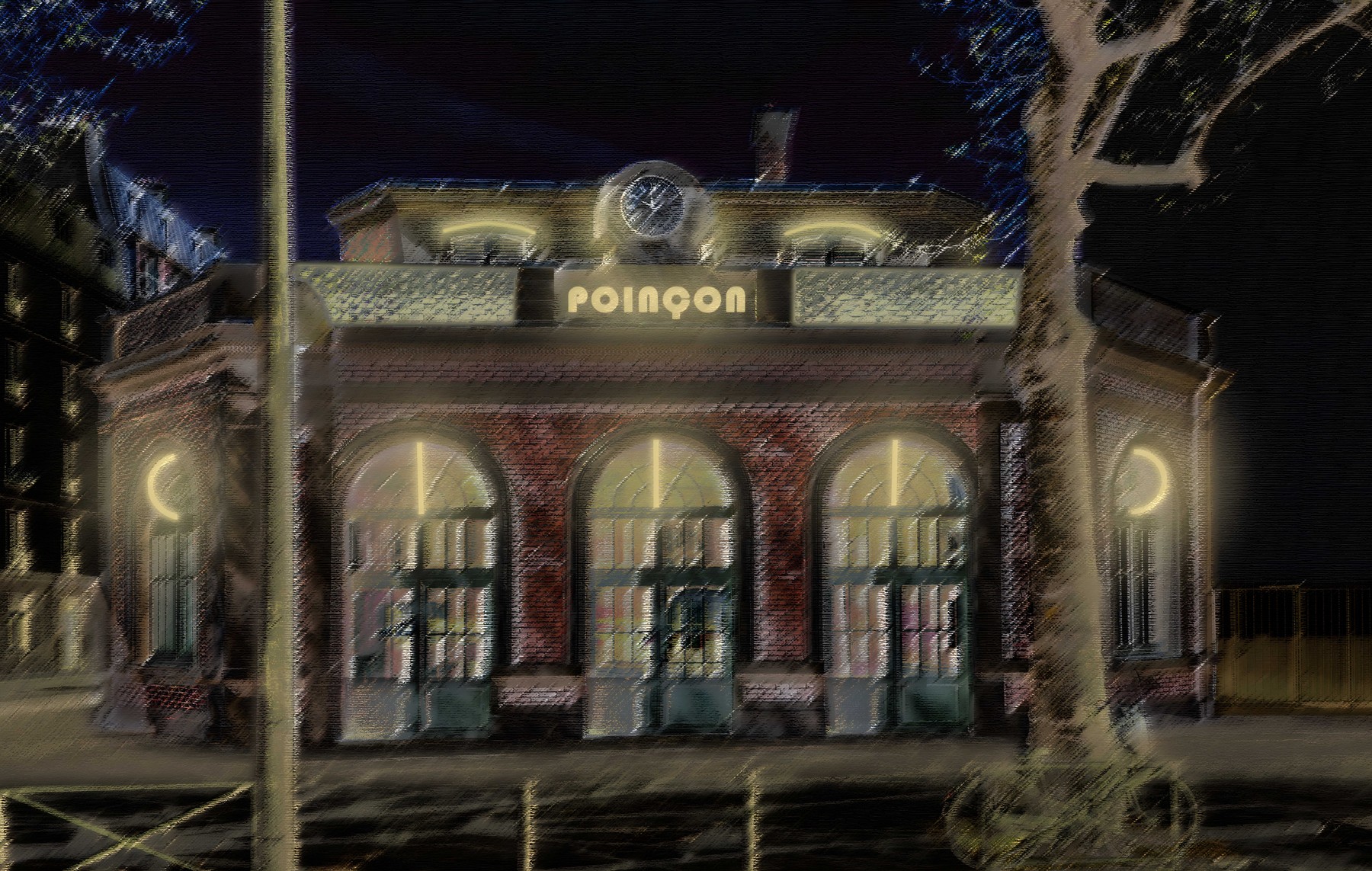
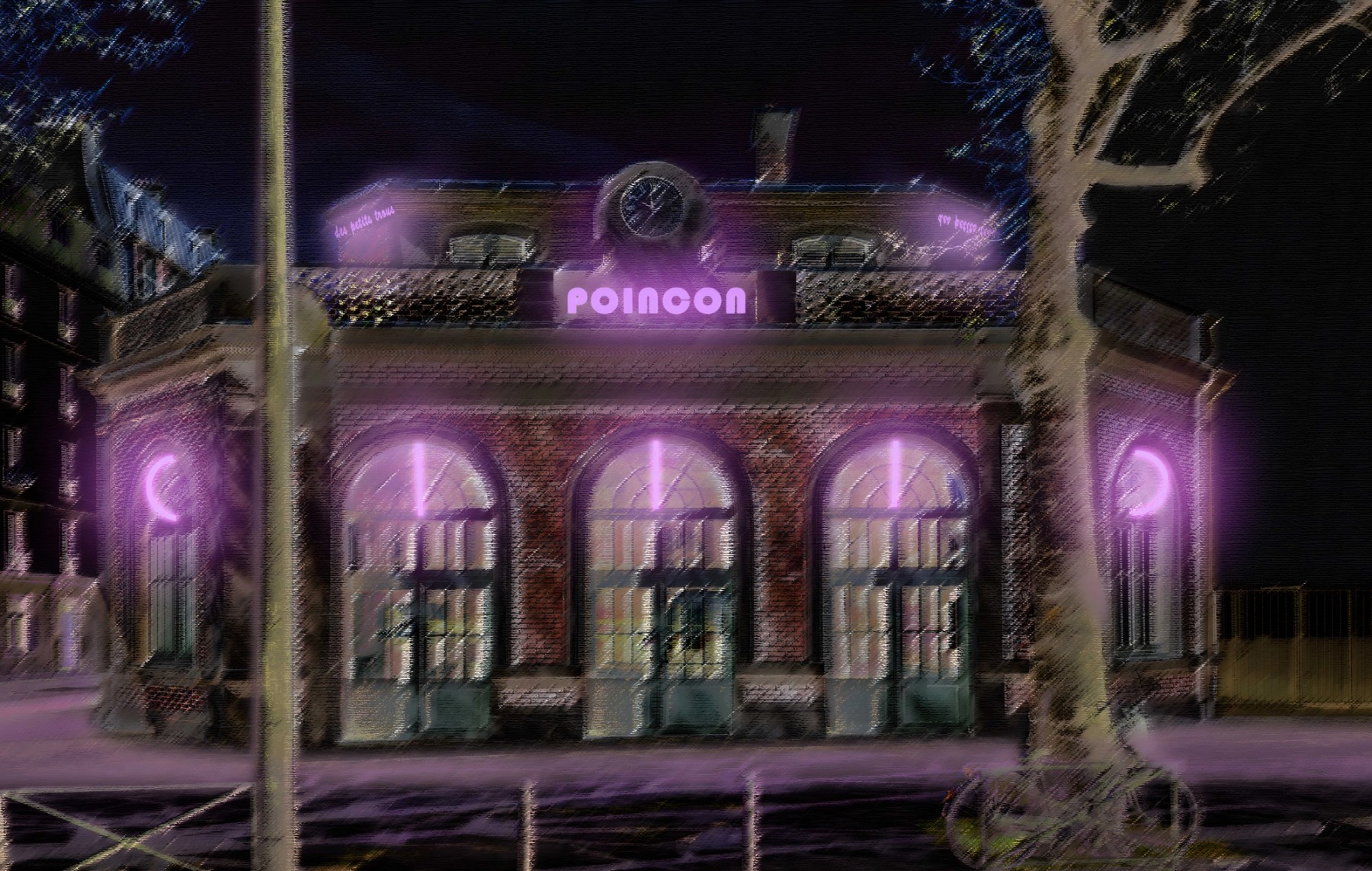
Several lighting concepts were explored, all rooted in a shared poetic and cultural matrix. The name Poinçon acts as a guiding thread, referring to the tool itself, the perforations it creates, the memory of punched tickets, and the musical reference to Serge Gainsbourg’s song. From this metaphor emerges a rhythmic language of “small holes of light,” expressed through luminous contours, punctuations, bands or projections, always in dialogue with the architecture.
The proposals navigate between different atmospheres, from discreet minimalism to more festive expressions, as well as integrated solutions inspired by the Petite Ceinture, by notions of journey, line and distance. Light accompanies the life of the place according to time and use: calm and welcoming during the week, more vibrant and joyful during evenings and events.
Designed with a controlled budget and realistic implementation in mind, the project highlights local craftsmanship, particularly artisanal neon, and favors sober, adaptable and programmable lighting devices. By day, light blends into the architecture; by night, it reveals the site’s magic and transforms its perception.
Although never realized, Poinçon remains a deeply meaningful project for Atelier dada. It embodies a reflection on the reuse of railway heritage, the role of culture in public space, and light as a catalyst for life, social connection and urban emotion.
1