Light, Use & Sustainability — Research
A research seeking to reconnect light with life, before standards.
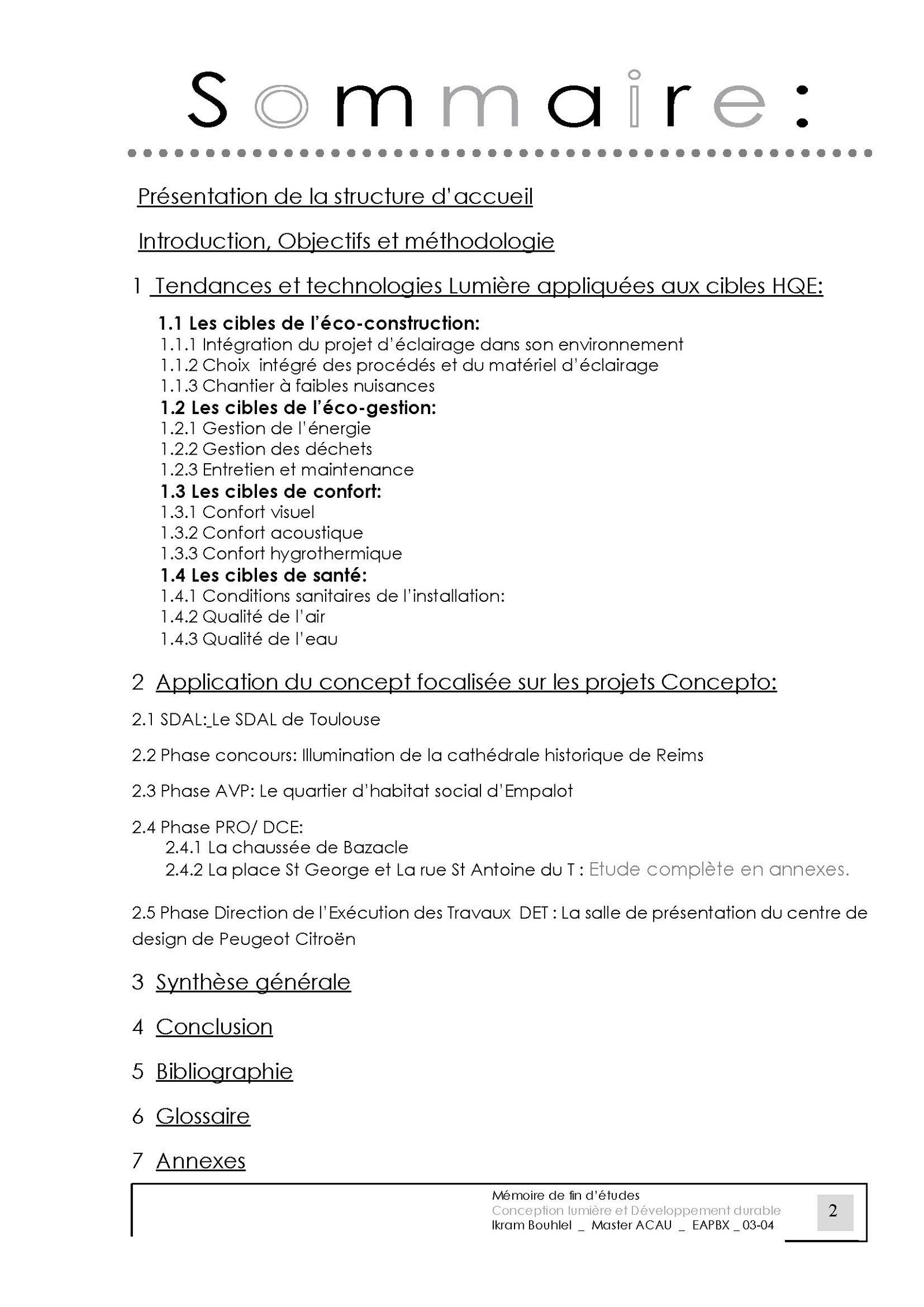
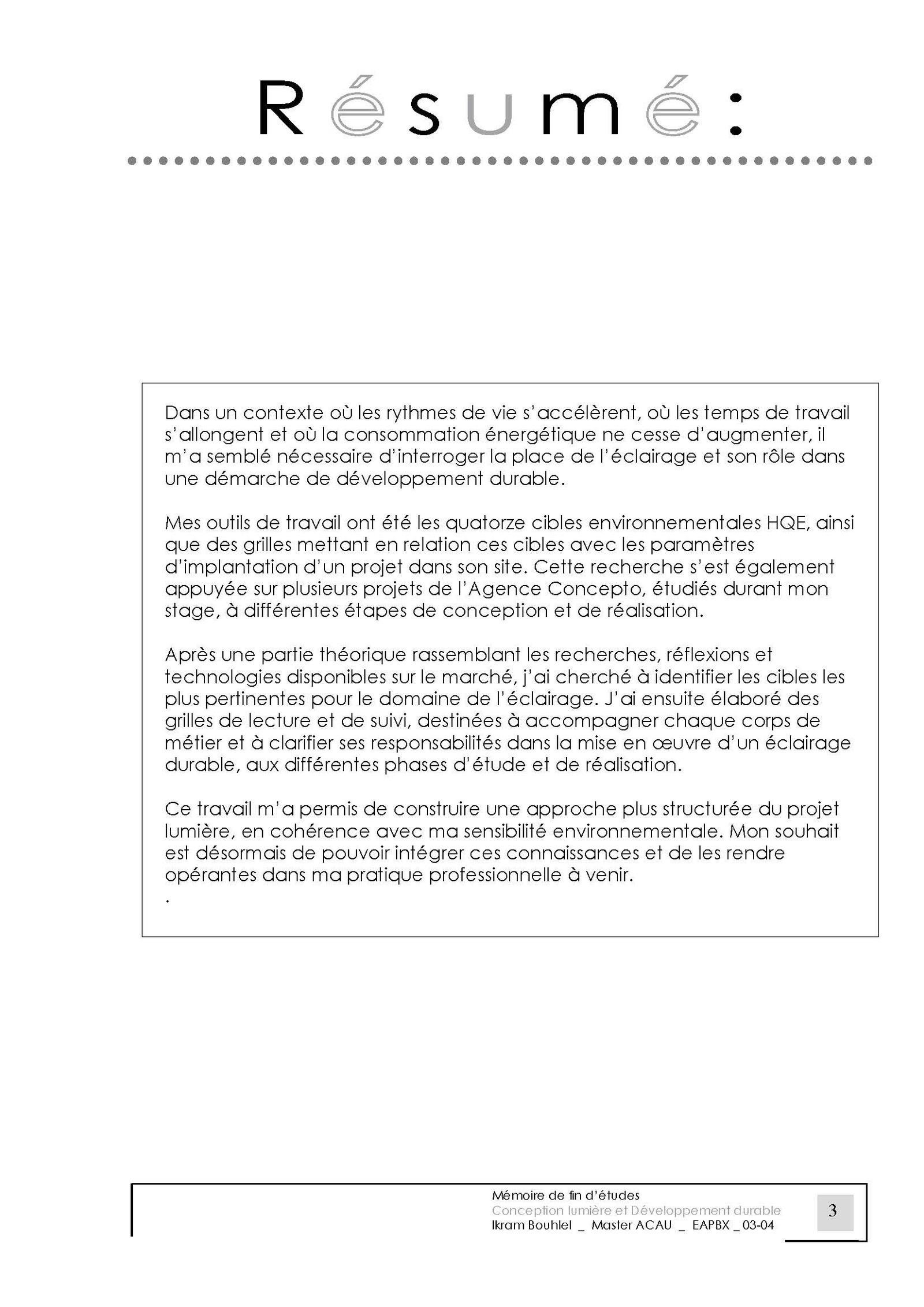
Through this graduating thesis, the intention was to extend the teachings of a Master’s program dedicated to High Environmental Quality (HQE) architecture, by applying them to the medium I chose to explore more deeply: Light.
While the received lighting education was primarily approached through a technical and normative lens, an urgent need arose to open another field, more sensitive and embodied, directly connected to uses, rhythms of life, and the human experience of space.
This research was built upon a simple conviction: light cannot be conceived as an isolated object, but as a system of relationships. An immaterial matter capable of linking architecture to its inhabitants, a project to its context, and environmental constraints to a form of design freedom attentive to reality.
The aim was not to oppose performance and perception, but to bring them into dialogue. To consider sustainability not as a quantified objective, but as a lived and desirable quality, embedded in the long term. A form of sustainability that reveals itself as much through comfort, appropriation, and the accuracy of use as through technical indicators.
Long kept confidential, this work was never intended as an endpoint, but as a foundation. A formative step, deliberately open, leaving room for experimentation, fieldwork, and learning through practice.
More than twenty years later, as these questions remain profoundly relevant, this research naturally finds its place here, not as an academic manifesto, but as one of the points of origin of a lighting design approach attentive to reality, to the living, and to meaning.
1
PREVIOUS PROJECT
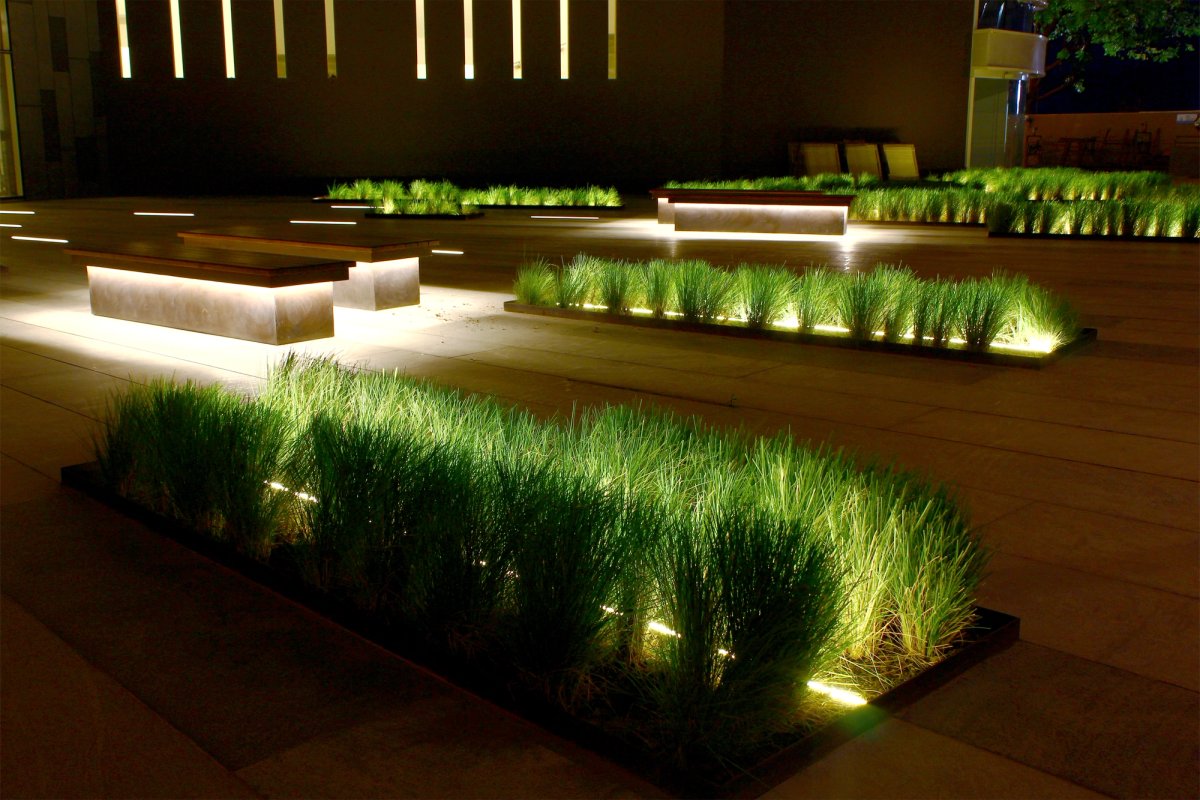
Guided by Light, Embraced by Breeze — Mondeal square
NEXT PROJECT
Lavis de lumière — Research
PREVIOUS PROJECT
Guided by Light, Embraced by Breeze — Mondeal square
NEXT PROJECT