A light at the threshold of the Goutte d’Or — Saint-Bernard-de-la-Chapelle
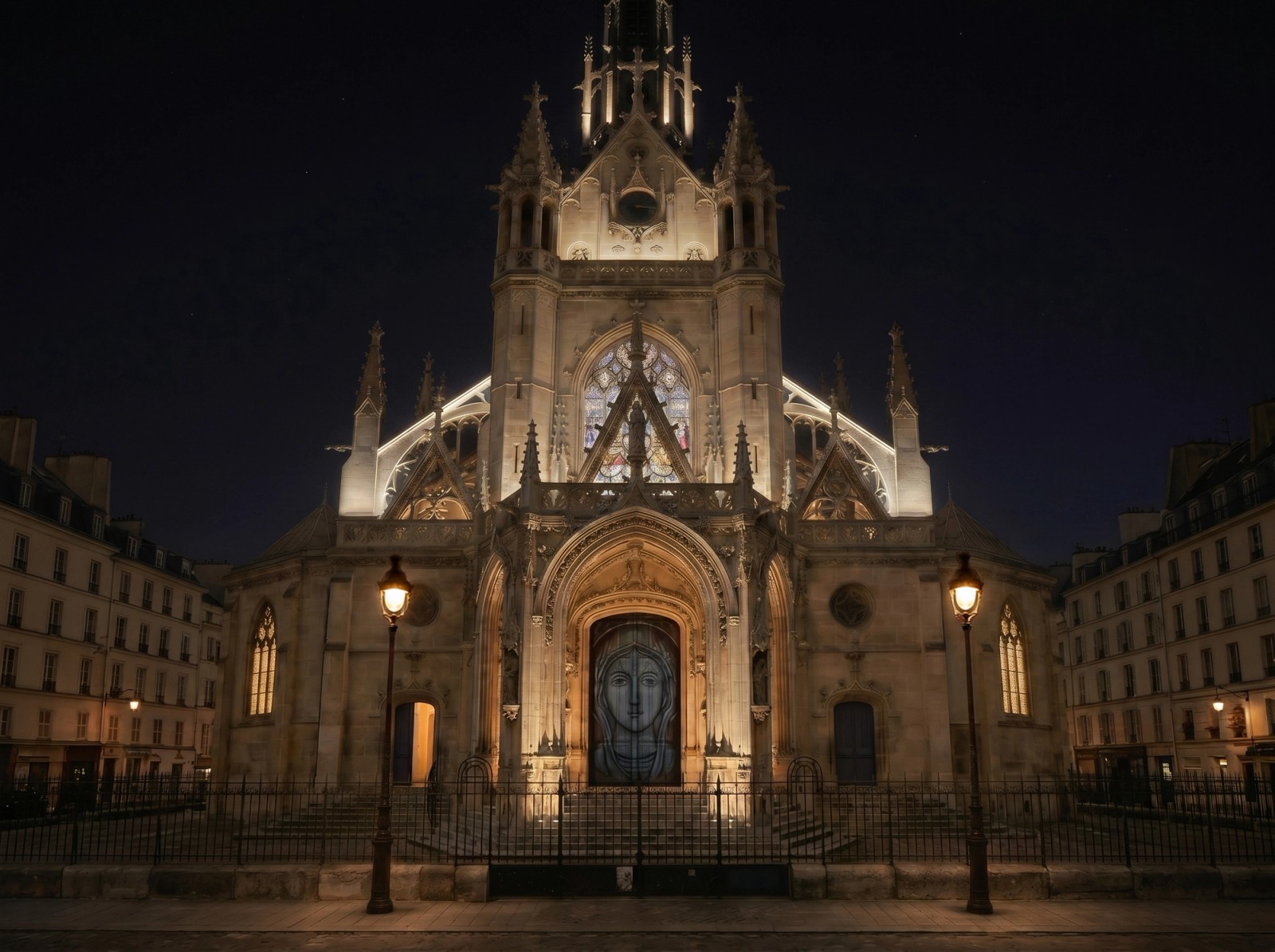
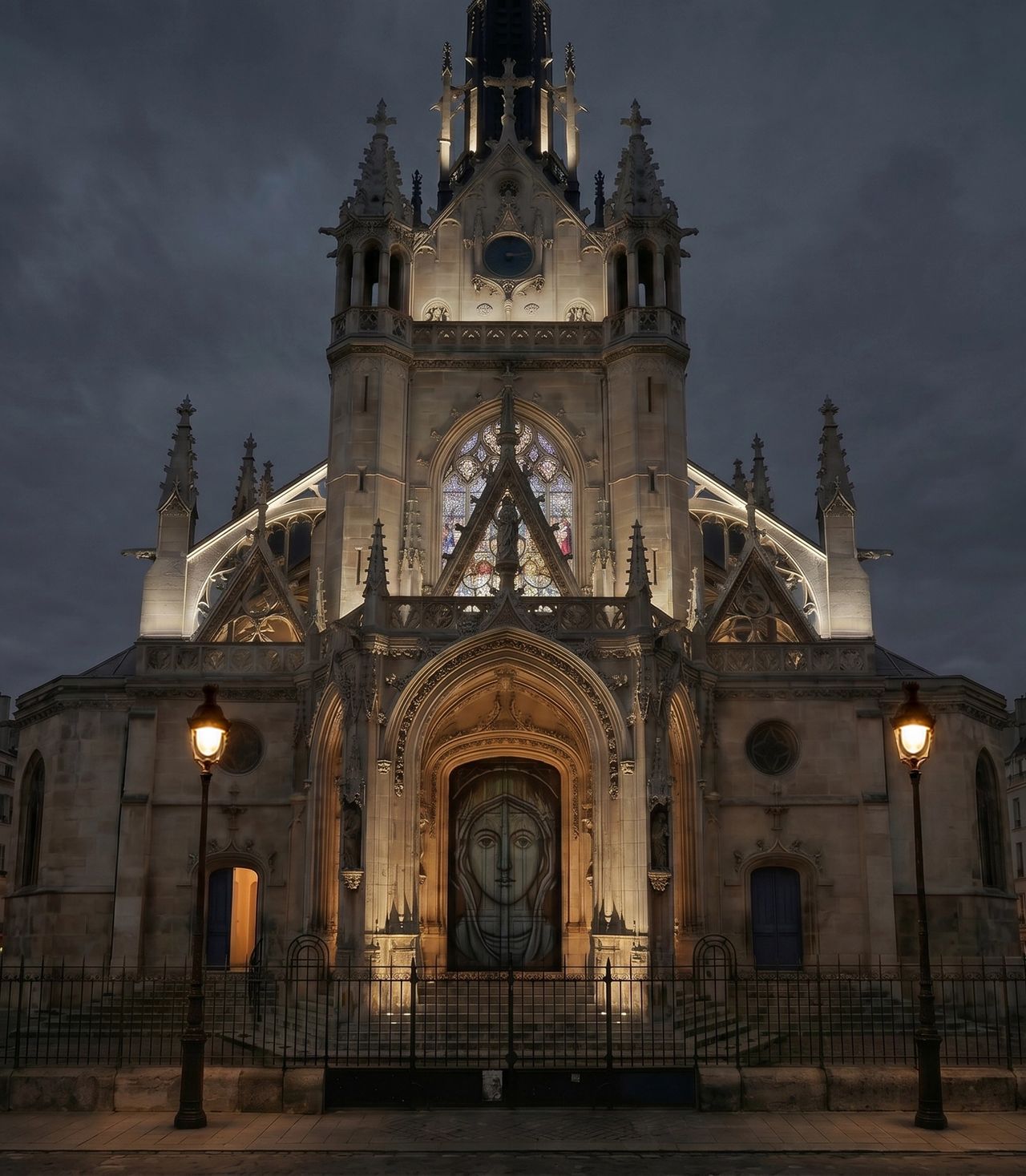
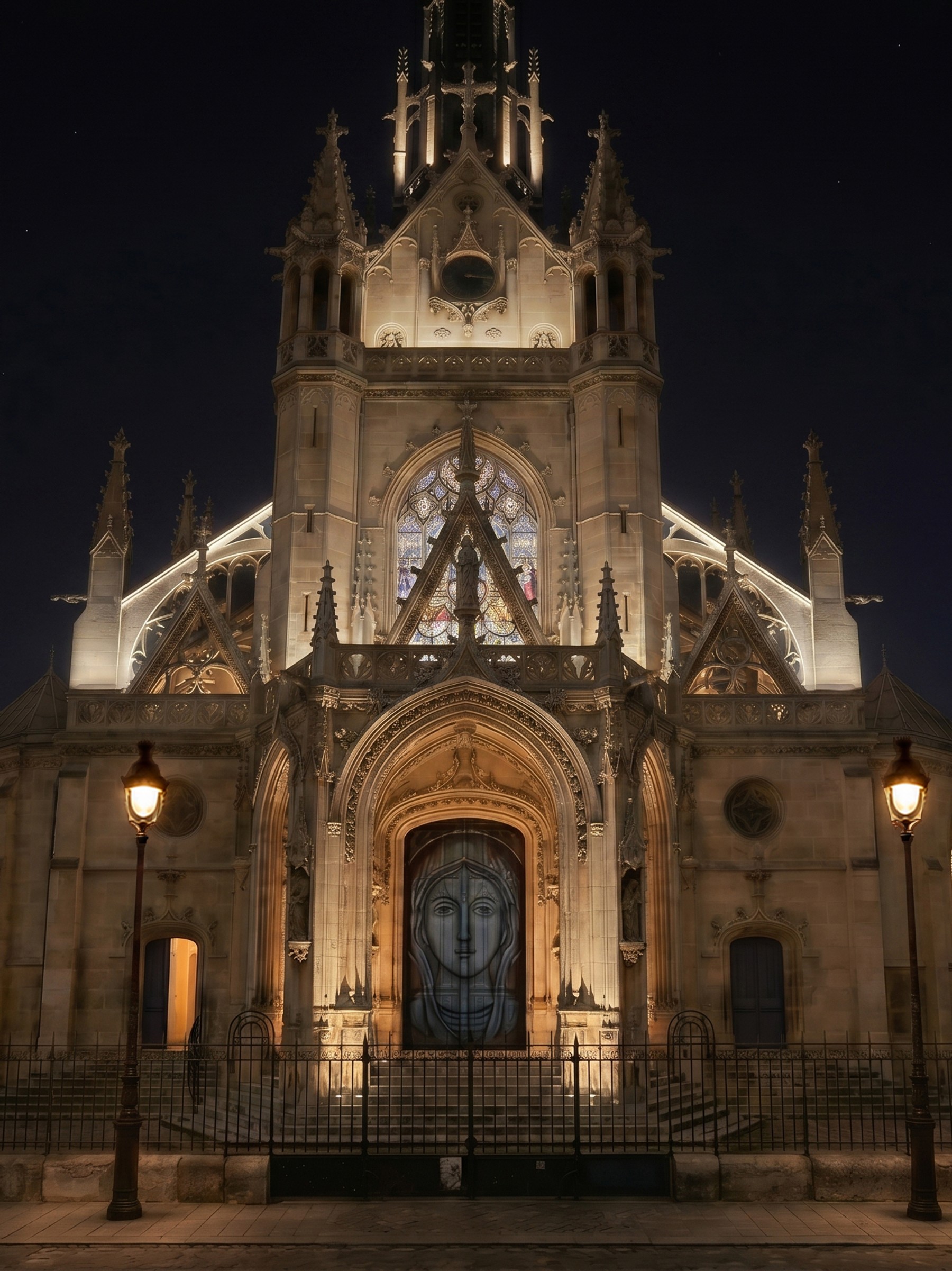
Concept study for the lighting design of the church, as part of our research “Lavis de lumière, Looking at Paris by Night”
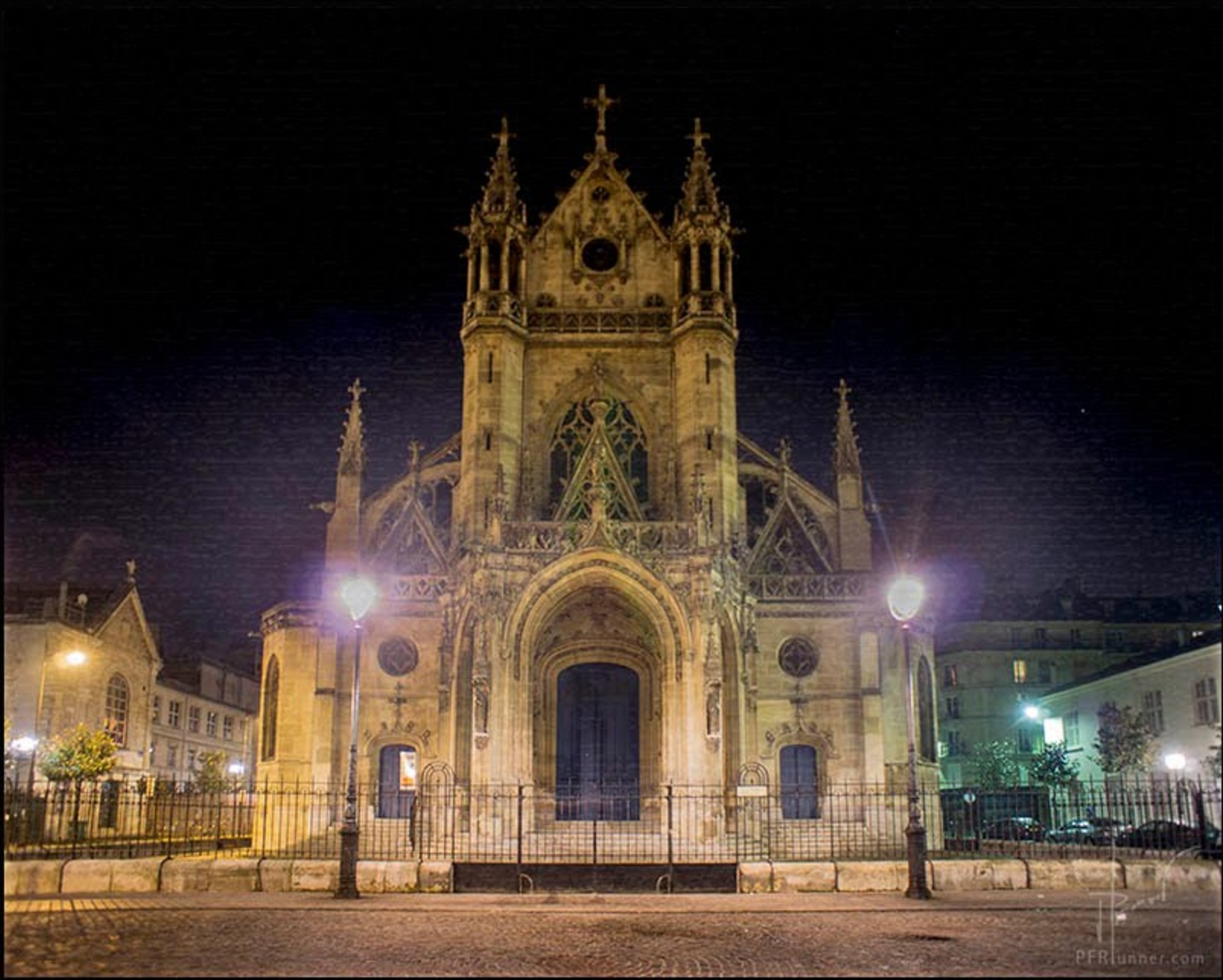
In the heart of the Goutte d’Or, the church of Saint-Bernard-de-la-Chapelle holds a singular place. Built in the nineteenth century by Auguste-Joseph Magne, it accompanied the urban development of the neighbourhood and remains one of its strongest heritage landmarks. Its structure and architectural details compose a neo-Gothic manifesto at the scale of the district, at once architectural, popular and symbolic.
Following exchanges initiated several years ago with local associations around the restoration of the spire and the night-time enhancement of the church, Atelier dada had imagined a first lighting sketch for its exterior envelope.
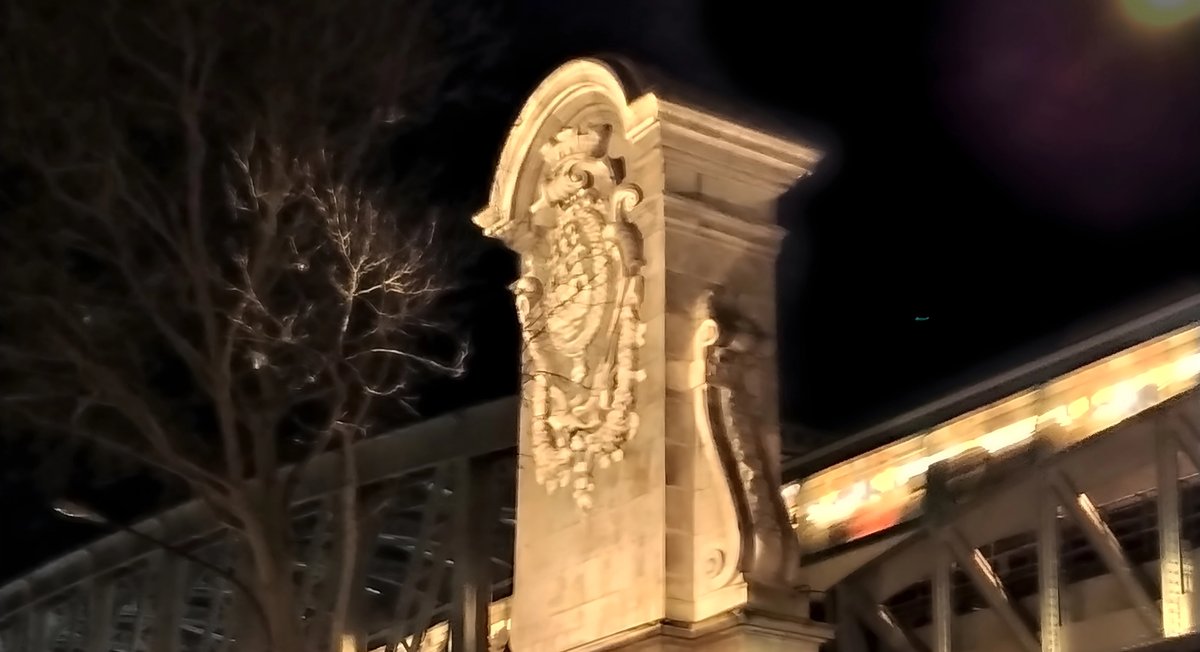
This project belongs to the continuity of the study Lavis de lumière, Looking at Paris by Night, developed by Atelier dada to question how Paris could reveal its architectures, thresholds and nocturnal memories differently. A few steps from the viaduct of metro line 2, another major fragment of this Parisian reflection, Saint-Bernard-de-la-Chapelle is understood as a neighbourhood presence, a vertical and sensitive landmark set between the Goutte d’Or, La Chapelle and Montmartre.
The lighting concept is based on a double reading of the building.
Saint Bernard of Clairvaux, a twelfth-century mystical and Cistercian figure, inspires a structuring, vertical, almost doctrinal light. It underlines the lines of elevation, the arches, ribs, pinnacles, spire and load-bearing elements of the architecture. This light makes the inner order of the façade legible and reveals the precision of the neo-Gothic drawing.
The Marian presence of the church opens a more enveloping writing of light. The chapel dedicated to the Virgin Mary, the interior iconography and the softness of the stained glass windows inspire a warmer, more interior, almost maternal light. It emanates from the porch, the bays and the thresholds, as if the building were allowing a calm breath to appear behind the stone.
Between these registers, the project seeks a balance: a clear light for the structure, an inhabited light for the infill, a softer presence for the thresholds. The façade becomes a passage between the city and recollection, between rue Affre and the interior space, between the memory of the neighbourhood and the more distant silhouette of Montmartre.
A very light projection, inspired by the Marian imagination of the church, is considered on the main portal. It is conceived as a discreet apparition, almost a figurative wash of light placed at the threshold of the building. From the chevet, a brief luminous pulse could also be studied around the figure of the Virgin, like a rare sign addressed to the Sacre Coeur of Montmartre, a gesture echoing an oral tradition of the neighbourhood.
The technical strategy remains deliberately sober. It combines an offset gobo projection, avoiding visual overload on the architecture, with a few targeted accents on the most significant elements of the building. The devices would be reversible, discreet, with low visual impact, and studied with the relevant heritage authorities.
This concept is now coming out of Atelier dada’s archives because the restoration of the spire opens the right moment to rethink the nocturnal presence of Saint-Bernard-de-la-Chapelle. The aim is to reveal what the building already carries: an architecture, a history, a faith, a neighbourhood, a familiar verticality in the sky of the 18th arrondissement of Paris.
For those interested:
The Lavis de lumière study can be explored here.
The metro line 2 viaduct project can be found here, here and here.
© Atelier dada. All rights reserved.
The texts, concepts and reflections published on this website may not be reproduced, adapted or distributed without prior permission.
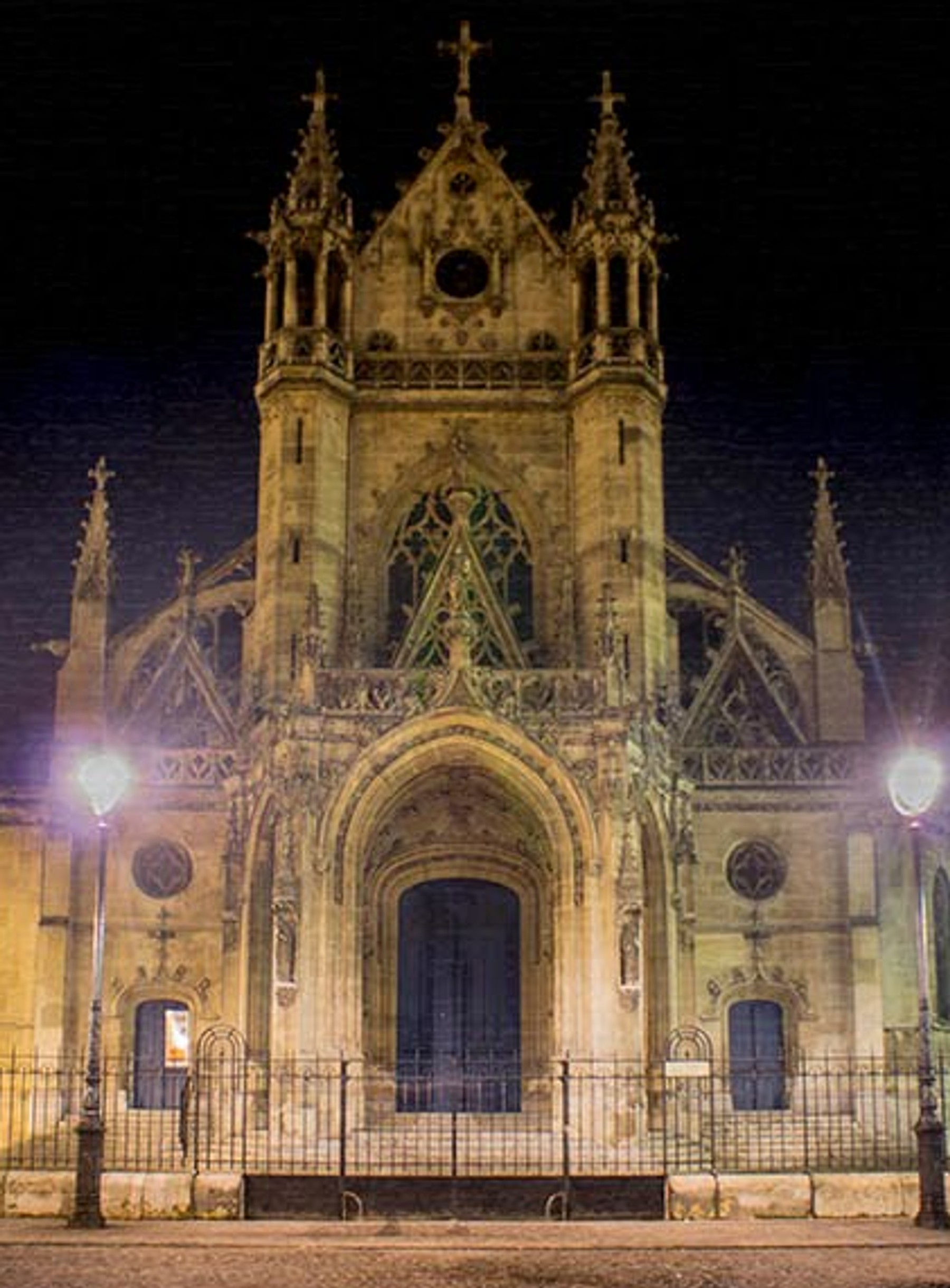
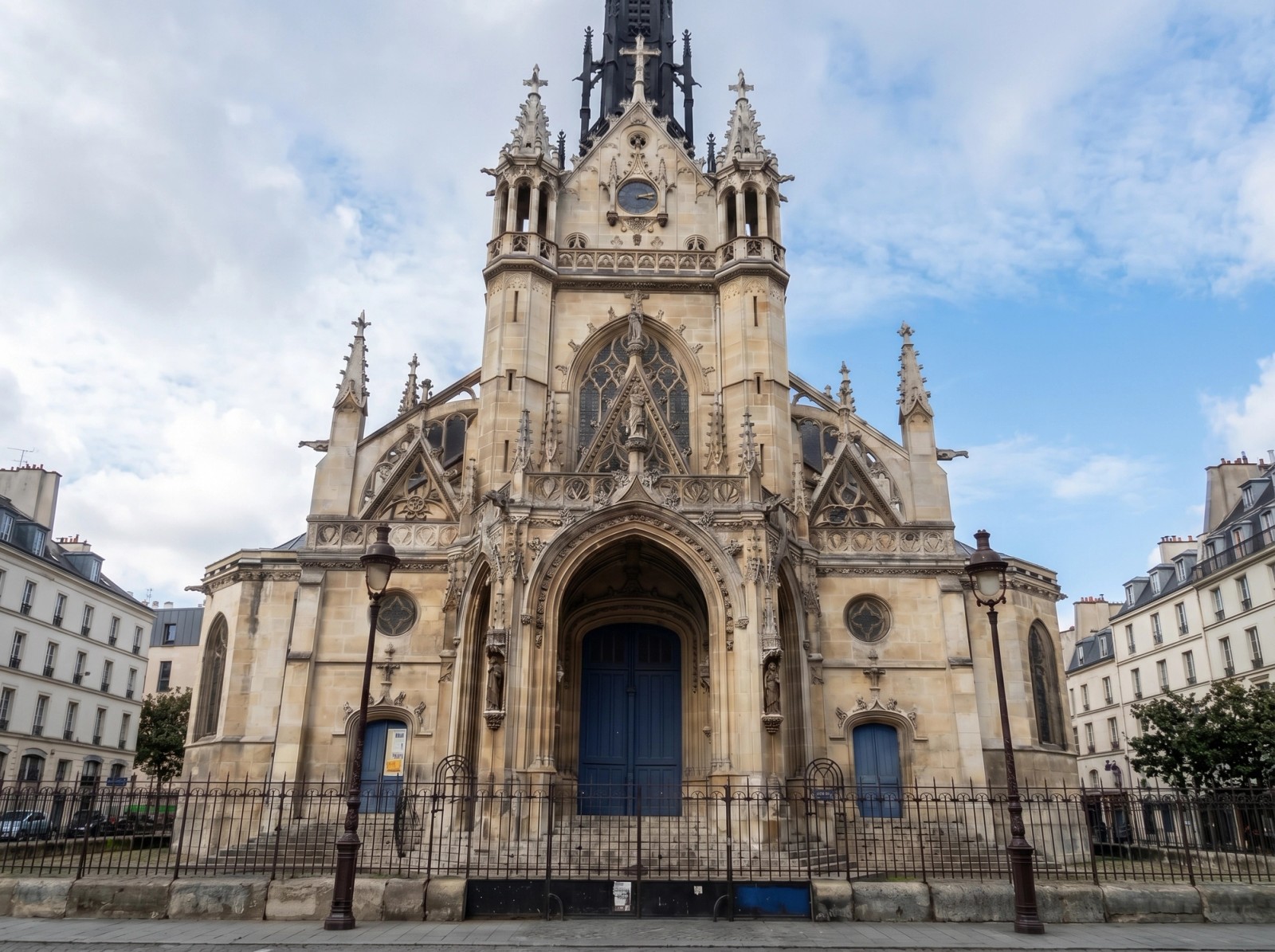
Eglise Saint-Bernard-de-la-Chapelle, Paris 18e - Jour